Perception, not Taste
Ethan Frost, March 2026
The modern creative is playing a repeated game of perception. The exact same game painters played in 1841.
It was 1840. The European art establishment was a cartel. Rigid academic standards dictated the market. To paint at all required massive capital, a sophisticated studio, and institutional support just to procure and mix rare natural pigments.
In 1841, an American painter named John Goffe Rand patented the collapsible metal paint tube. He thought he was solving a storage problem. He was actually cracking the foundation of the European art establishment (French Academy, the Salon, etc.). By removing the friction of mixing paint and the high cost of studio setups, the tube democratized the medium for artists. The status quo restrictions from elite patronage and restrictive covenants from sponsors were slowly unwound as the technology permeated.
“Without colors in tubes, there would be no Cézanne, no Monet, no Pissarro, and no Impressionism.”
— Auguste Renoir
The tube didn't arrive alone. For centuries, the full color palette was limited to those who could afford natural-made hues, which in turn limited creation and, more importantly, experimentation for everyone. The industrial revolution unlocked chemical products, reducing the cost of colors previously reserved for the wealthiest patrons.
The establishment still controlled prestige, but the tube + paint democratized practice. Artists without elite patronage could now work directly from nature, developing visual instincts and radical personal styles the studio system never trained for.
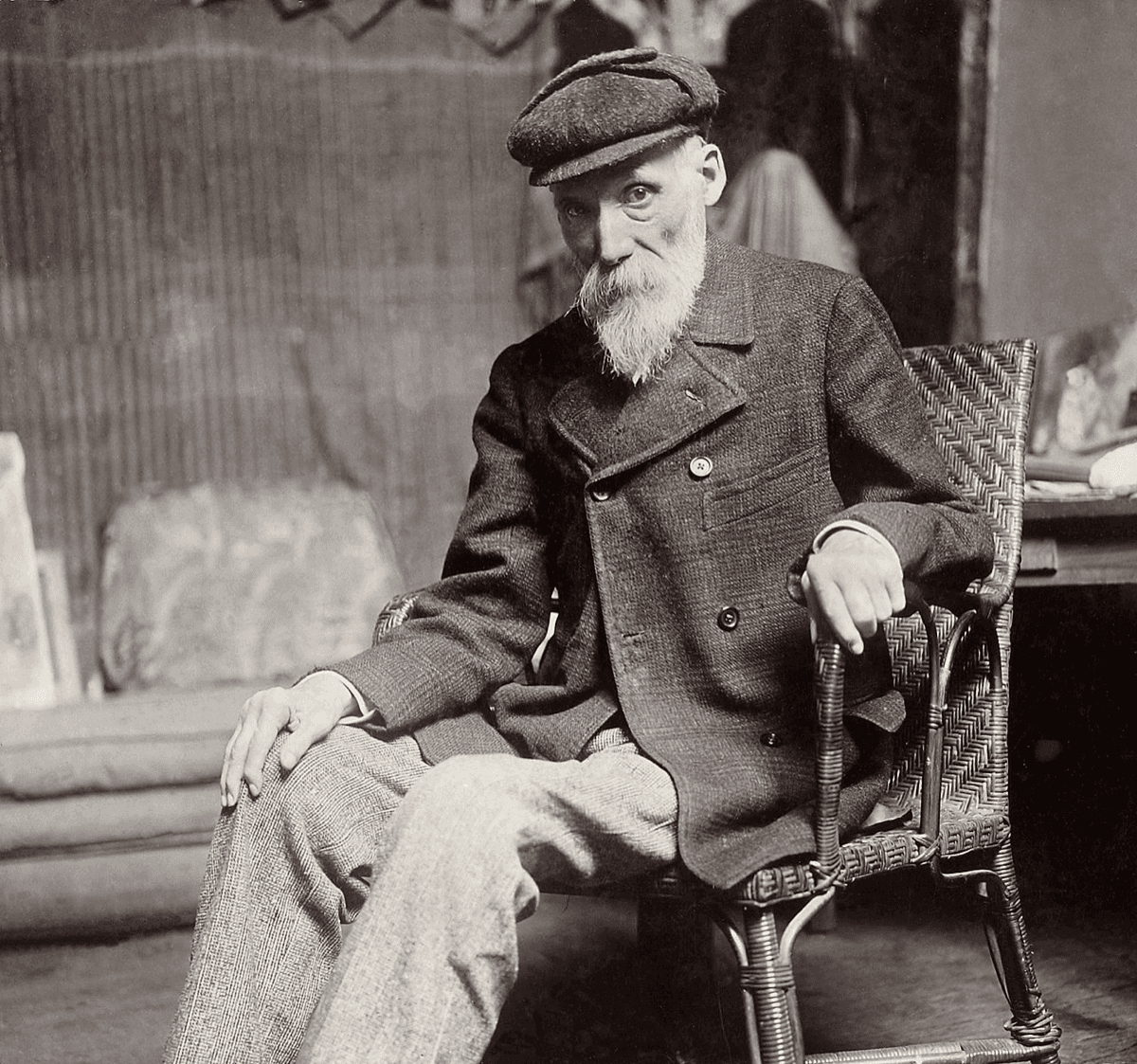
Auguste Renoir (c. 1910)
Then photography arrived in 1839 and changed the world, including art. By making accurate representation cheap, it forced painters to compete on interpretation rather than reproduction. Paul Delaroche, a prominent French history painter, saw his first photograph and famously claimed: “From today, painting is dead.” Sound familiar?
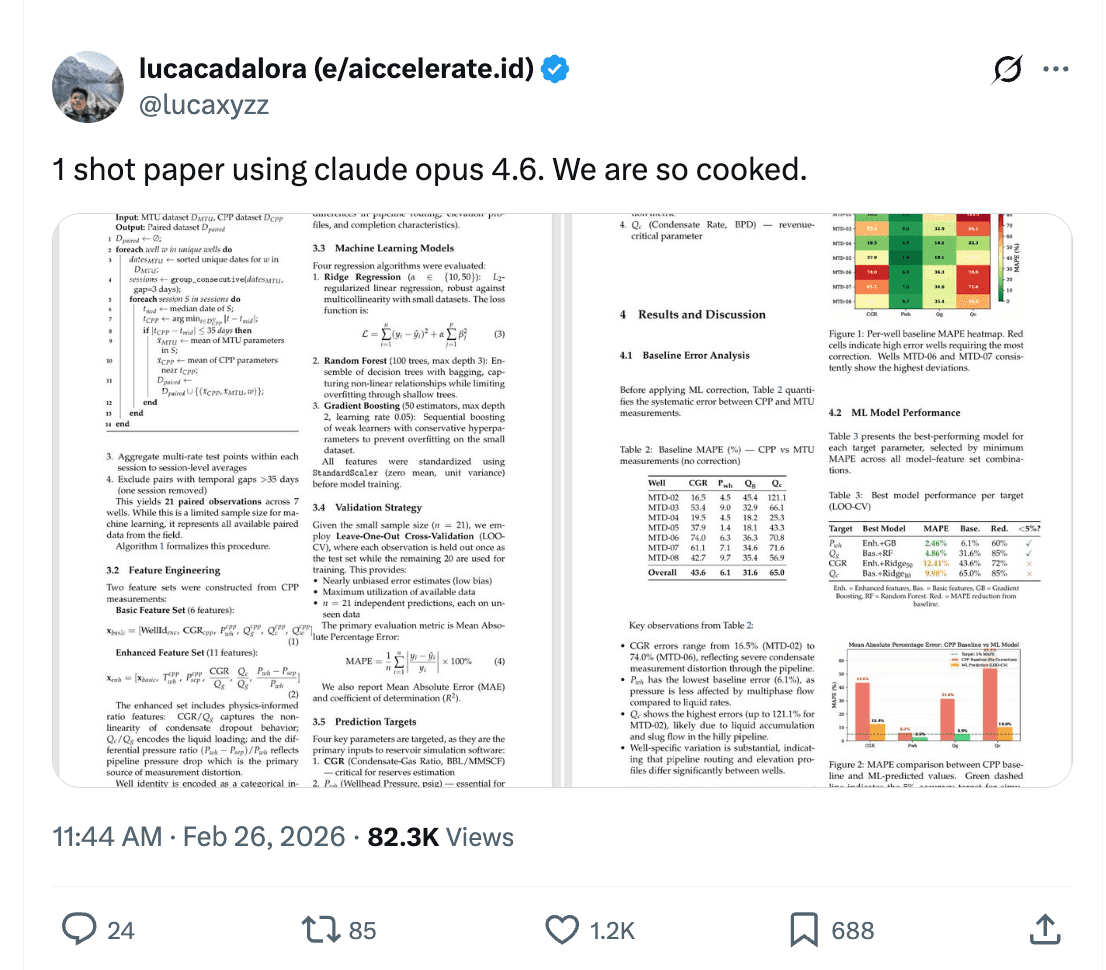
Too many of these to count.
Little did Delaroche know that painting was on the verge of a revolution. The tube, backed by the convergence of two adjacent breakthroughs (synthetic paint, photography), collapsed the legacy hierarchy.
This portability led directly to the rise of “plein air” or “out of doors” painting, which the establishment rejected as amateur. Artists operating at the margins of the institutional system, like Van Gogh, or systematically challenging its assumptions, like Seurat, used these affordable, portable tools to develop radical styles that the traditional system couldn't produce nor evaluate.
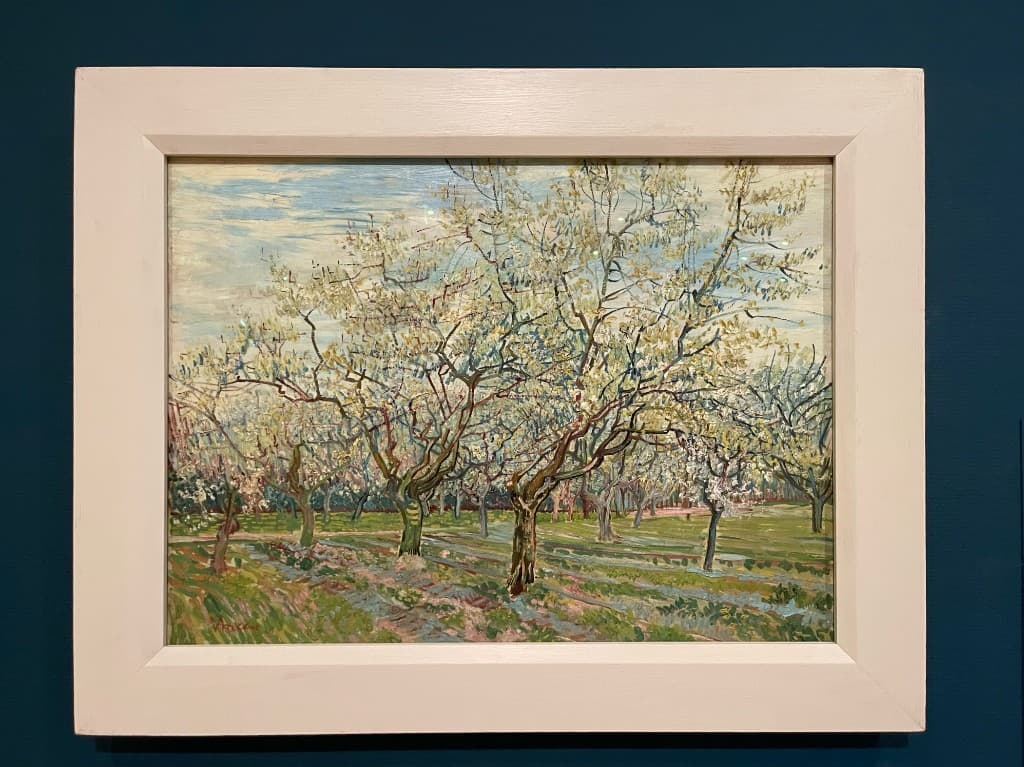
The White Orchard, Vincent van Gogh, c. 1888, oil on canvas (Amsterdam, 2022)
However, this is not a story about 19th-century painting. AI is performing the same structural role today by collapsing production costs and removing the studio (the senior dev, the designer, the copywriter) as a gatekeeping layer. But just as the tube flooded the market with thousands of competent outdoor painters, AI is producing an ocean of competent, equally undifferentiated output. In both instances, critics reacted with utter disdain.
At the Second Impressionist Exhibition in 1876, Albert Wolff dismissed the new plein air painters in terms that sound uncannily modern: “These so-called artists take canvases, paint, and brushes, fling a few colours here and there, and add a signature.” He went on, using the phrase “impressionist” as a derogatory term. Today's “AI slop” discourse is the same complaint, aimed at a different tool.
The parallel suggests that when tools become ubiquitous, the technical ability to “make” loses its value as a differentiator (e.g. high‑polish web UI) Photography didn't kill art as Delaroche proclaimed; it freed painters from the obligation to record. Once a machine can capture an accurate likeness cheaply, the only question left is: what can a human eye do? This is the question of subjective perception that the Impressionists answered. Just as the paint tube shifts the focus from the chemistry of paint to the artist's vision, AI shifts the focus from the labor of production to the perception of the creator.
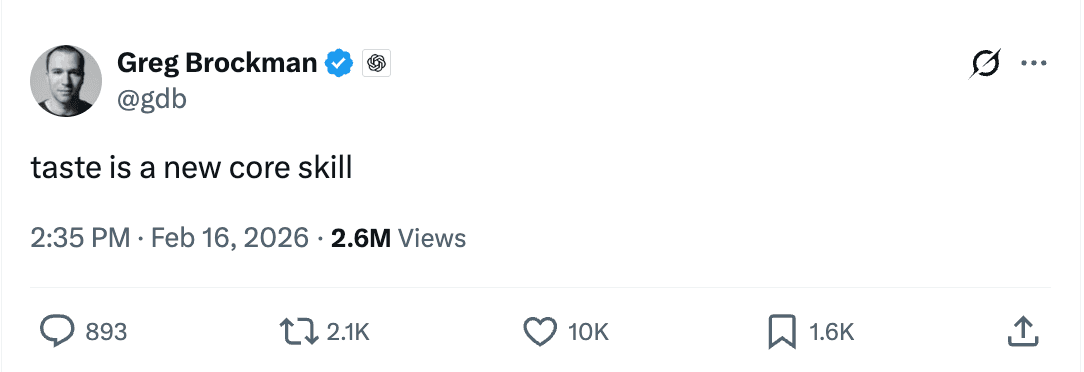
Perception is a new core skill, not Taste.
Wolff was not entirely wrong. The tube had flooded the market with technically competent outdoor painters producing work that was largely indistinguishable. But Wolff made the error every critic makes during a democratization moment. He confused volume with mediocrity, and mediocrity with the movement. The flood was real. What he couldn't see was that somewhere inside it, Monet, Pissarro, and Cézanne were doing something the system had no framework to measure.
The critics were wrong then. They are wrong now. The discourse today centers entirely on taste, but we have mislabeled the nuance. Taste is a consumer's metric. Taste is passive curation. Perception is active humanity.
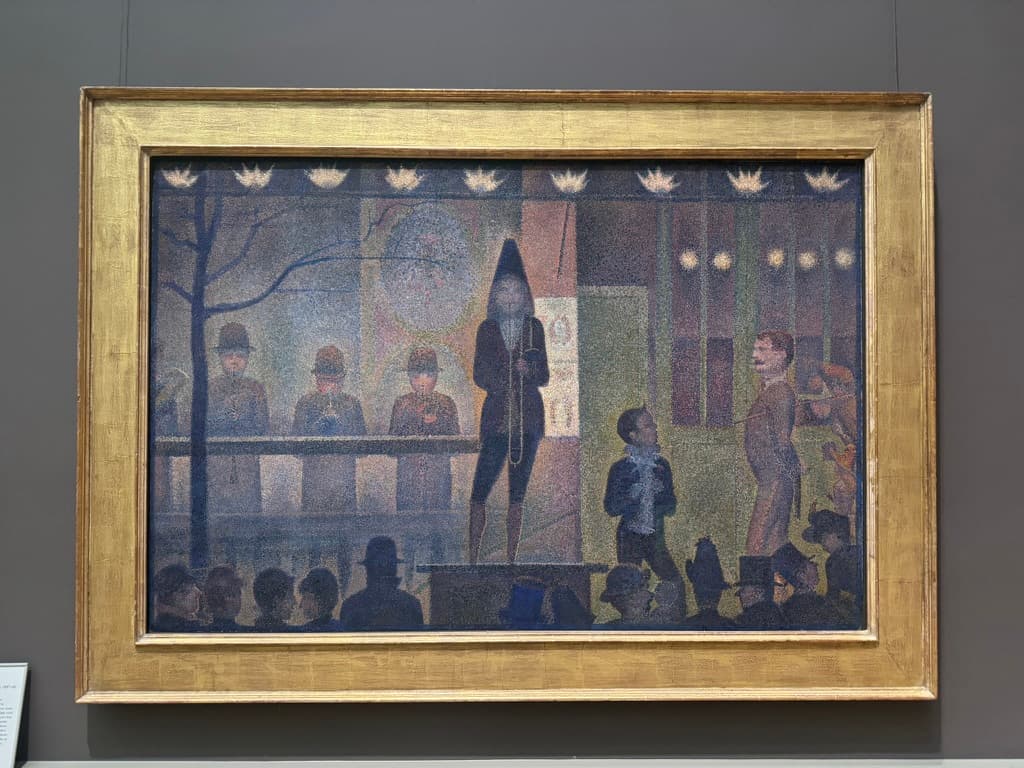
The Circus Parade, Georges Seurat, c. 1888, oil on canvas (NYC, 2025)
The labor of production has been compressed into recitation. We have convinced ourselves that because the technical execution is automated, the value of the work is diminished. We are mistaking the collapse of the studio system for the collapse of art. The physical friction is gone. The obligation to record is gone. What remains is a sheer, unmediated test of subjective perception. We are all impressionists now, standing in an ocean of undifferentiated competence. The tools are cheap. The only scarce asset left is your vision.
Taste is picking this out for a gallery. Perception is creating it.
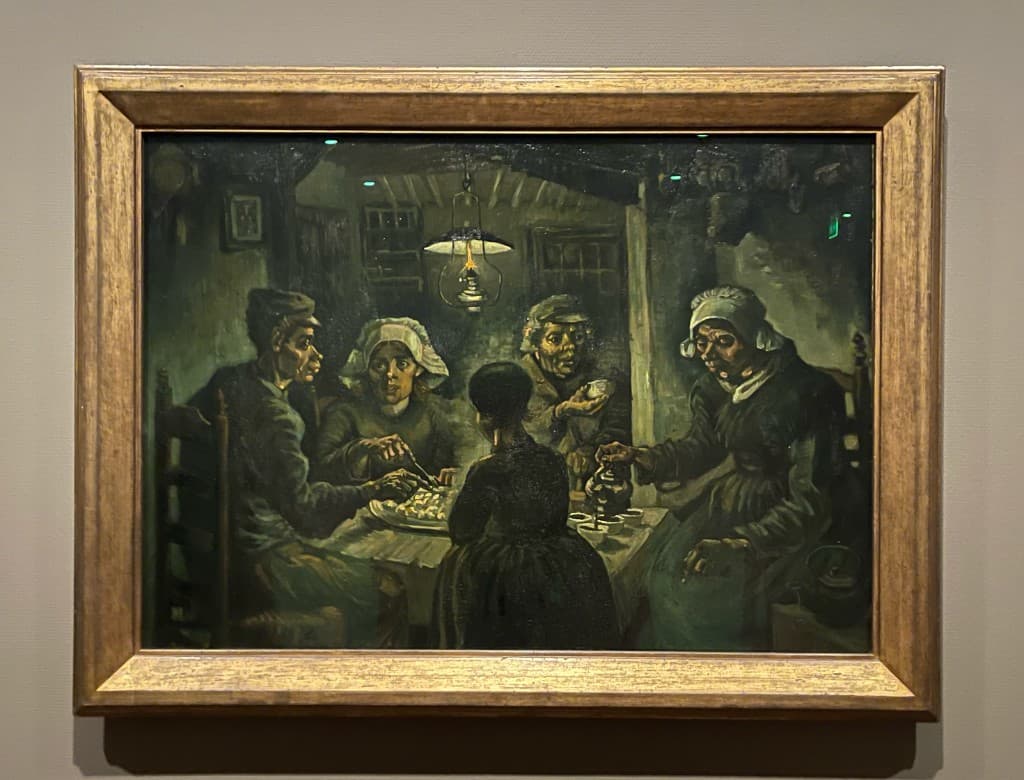
The Potato Eaters, Vincent van Gogh, c. 1885, oil on canvas (Amsterdam, 2022)
So what is perception? For me, the clearest answer is a single painting: J. M. W. Turner's Whalers. It looks less like whaling than whaling, and yet it somehow embodies the experience more accurately than any literal depiction I've ever seen. It is my favorite painting.
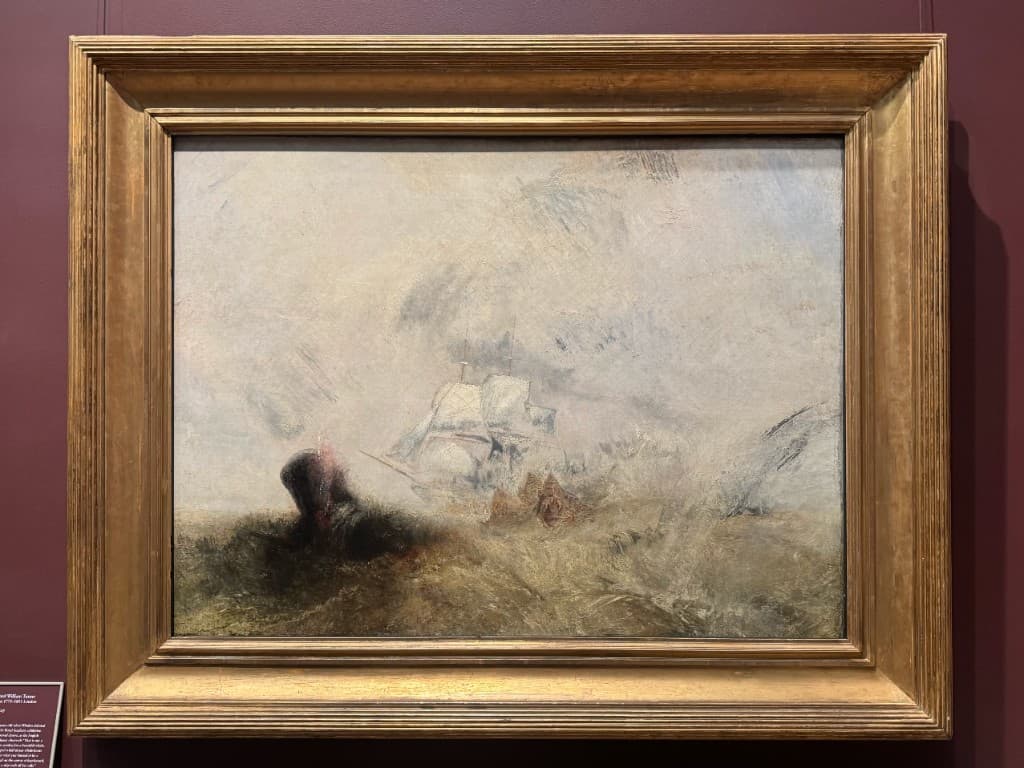
Whalers, J. M. W. Turner, c. 1845, oil on canvas (NYC, 2025)